
- Egypt has awarded a US$560 million EPC contract for the 1 GW West Minya Solar Power Project in the Western Desert.
- The project will combine 1 GW of solar PV with a 600 MWh battery energy storage system to strengthen grid reliability and support Egypt’s renewable energy targets.
- The development supports Egypt’s goal of sourcing 42% of its electricity from renewable energy by 2030.
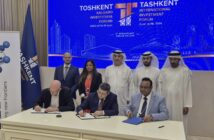
Egypt has awarded a US$560 million engineering, procurement and construction contract for the West Minya Solar Power Project, one of the country’s largest renewable energy developments.
The contract has been awarded to a 50:50 joint venture between Hassan Allam Construction and Sterling and Wilson Renewable Energy. The joint venture will deliver the engineering, procurement, construction, transmission infrastructure, grid connection and battery energy storage facilities for the project.
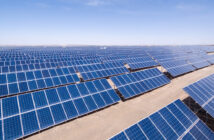
Located in Minya Governorate, the project will deliver 1 GW of solar photovoltaic capacity alongside a 600 MWh battery energy storage system, making it one of Egypt’s largest integrated solar and storage developments. The project forms part of the Nefer Menya renewable energy initiative in Egypt’s Western Desert.
Related news: JA Solar and partners set up major manufacturing hub in Egypt
Infinity Power Holding is the majority owner of the project, while HAU Energy, backed by Hassan Allam Utilities, the European Bank for Reconstruction and Development and Meridiam, holds the remaining stake.
The European Bank for Reconstruction and Development is also considering providing up to US$170 million in senior debt financing, further supporting the project’s financial close.
Related news: JA Solar DeepBlue 5.0 preferred as developers seek bankable solar performance
The development aligns with Egypt’s strategy to increase the share of renewable energy in its electricity mix to 42% by 2030. By integrating battery storage with utility scale solar generation, the project is expected to improve grid stability, store excess solar power for use during peak demand periods, reduce reliance on fossil fuels and strengthen the country’s energy security.
Author: Bryan Groenendaal