- City to issue tenders for electricity trading desalination and water reuse projects.
- Private sector participation central to power water and transport strategy.
- Electrification and electric bus pilots support inclusive and low carbon growth.
Cape Town is preparing to issue a series of major tenders aimed at reducing electricity costs strengthening water security and modernising urban mobility in South Africa’s second largest city and leading tourism destination.
The City will this month begin the procurement process to appoint an electricity trading company that will supply additional power to the municipal grid. Later in the year tenders will be released for large scale desalination and water reuse plants to be developed through public private partnerships.
Mayor Geordin Hill Lewis said the appointment of an electricity trading company marks a shift in how the City sources power. Rather than negotiating individual supply contracts the City intends to procure electricity through a trading platform that can access power from multiple producers.
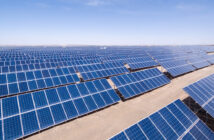
Cape Town has already secured around 300 megawatts of additional electricity supply beyond Eskom allocations and is developing 60 megawatts of its own generation capacity. The new electricity tender which is expected to be published on 13 February is likely to result in cheaper power largely sourced from renewable energy. Electricity tariffs in South Africa have risen sharply over the past two decades while recent regulatory reforms have enabled increased private sector investment in large scale solar and wind projects.
The City is also moving ahead with significant water infrastructure investments. Planned tenders include a desalination plant with a capacity of 130 million litres per day and a water reuse facility of similar scale. Construction is expected to begin around September next year with completion targeted for 2030. Developers will finance the capital costs under long term water purchase agreements.
In parallel Cape Town is funding four aquifer projects that are currently being drilled and will together supply about 80 million litres of water per day. The City uses more than one billion litres daily and remains focused on long term resilience following the severe drought of 2018. While dam levels are currently stable residents have been urged to reduce consumption as a precaution.
On the distribution side the City continues to expand access to electricity in informal settlements. Almost 400 homes have recently been connected to the grid in Nomzamo as part of one of the largest electrification projects undertaken in recent years. The R4.9 million project brings total recent investment in electrification to more than R35.6 million covering over 2 600 household connections. A further 304 connections are planned.
Beneficiaries gain access to the City’s subsidised lifeline tariff which includes up to 60 units of free basic electricity per month helping to reduce household energy costs while improving safety and quality of life.
Cape Town is also laying the groundwork for electric public transport. The City’s Urban Mobility Directorate in partnership with the University of Cape Town will conduct research to test electric buses within the MyCiTi bus system. The project is supported by City funding and a grant from the Urban Electric Mobility Initiative.
Up to four electric buses will be deployed on various MyCiTi routes over a twelve month period to assess performance battery life charging requirements and operating costs under local conditions. The findings will inform the planned rollout of electric buses along the metro south east corridor from 2027 to 2028. International experience suggests that electric bus fleets can reduce operating costs by as much as 70 percent.
Together these initiatives underline Cape Town’s strategy to attract investment improve service delivery and transition to a more resilient and sustainable urban energy and infrastructure system.
Author: Bryan Groenendaal